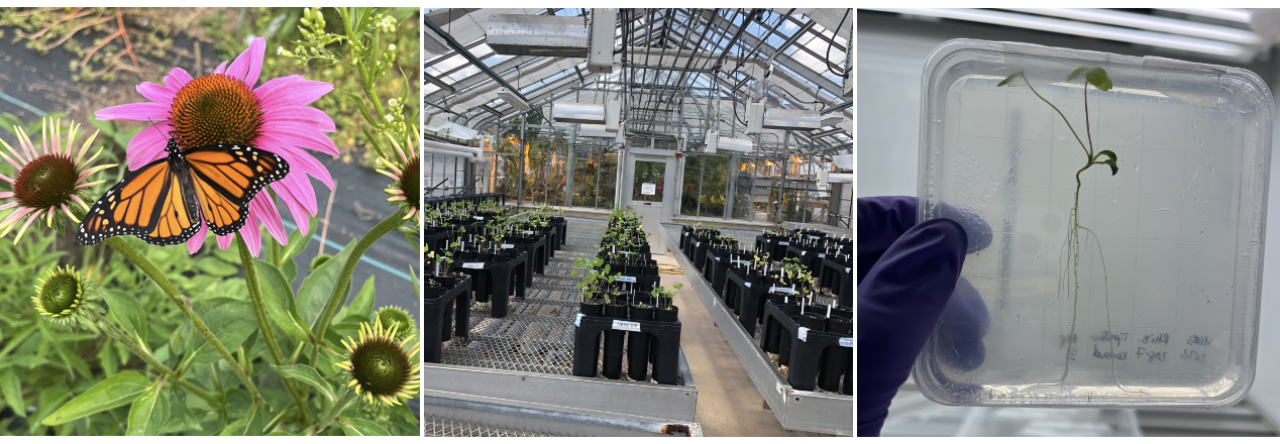
Much of our daily lives and the fascinating biodiversity that surrounds us is the result of species interactions. Some of these interactions we can see plainly—such as insects pollinating flowers and contributing to the production of everyday foods like blueberries, almonds, and even chocolate (thank you, pollinators!). Other interactions, however, are hidden underground. For example, many soil bacteria and fungi exchange nutrients with roots, which improves soil quality and facilitates biogeochemical cycling. But in a world that’s riddled with anthropogenic change (agricultural intensification, climate change, urbanization, etc.), how is the ecology and evolution of these crucial above- and below-ground interactions being altered as a result? What are the biological forces that mediate their responses to common stressors? Can we develop sustainable strategies that nevertheless maximize ecosystem services in our modern world? These are the big questions motivating my research. Currently, I am working as a USDA NIFA postdoctoral research fellow, studying the effects of agricultural practices on host-microbiome interactions in leguminous plants with the Baucom Lab and the James Lab at the University of Michigan.
About Me
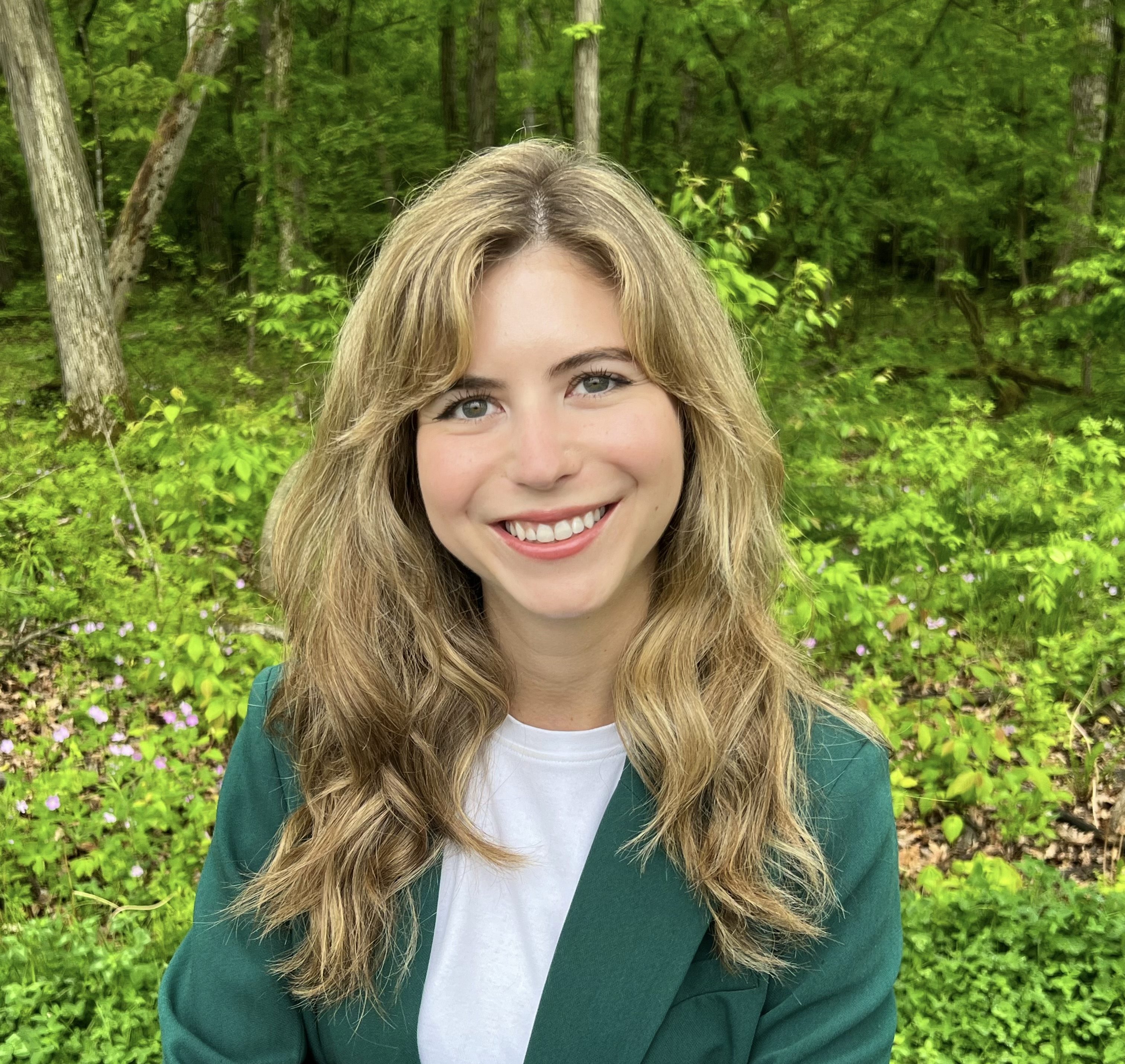
Welcome! My name is Veronica Iriart (pronounced like eerie + art), and I am an evolutionary ecologist. Before starting my current position as a postdoc at the University of Michigan, I received my PhD in Biological Sciences from the University of Pittsburgh, where I worked in the Ashman Lab. In my dissertation, I researched the effects of agrochemical stress caused by herbicide pollution on the co-flowering networks of wild plant communities and the symbiotic root mutualism between legumes and nitrogen-fixing rhizobial bacteria. In addition to using basic science to confront current environmental issues, I believe an important part of my job is to act as a science communicator. In my blog, I share discoveries from my research, fun activities for science outreach, and short essays about the amazing roles that plants play in our everyday lives. In addition, I manage the educational website PlantsInTheForeground.com, where anyone can submit a story related to plant biology to share knowledge and enthusiasm for plants. If you’d like to get in touch with me directly, please see my Contact page!

